The shortlist / England / St Michael's Church, Honiton
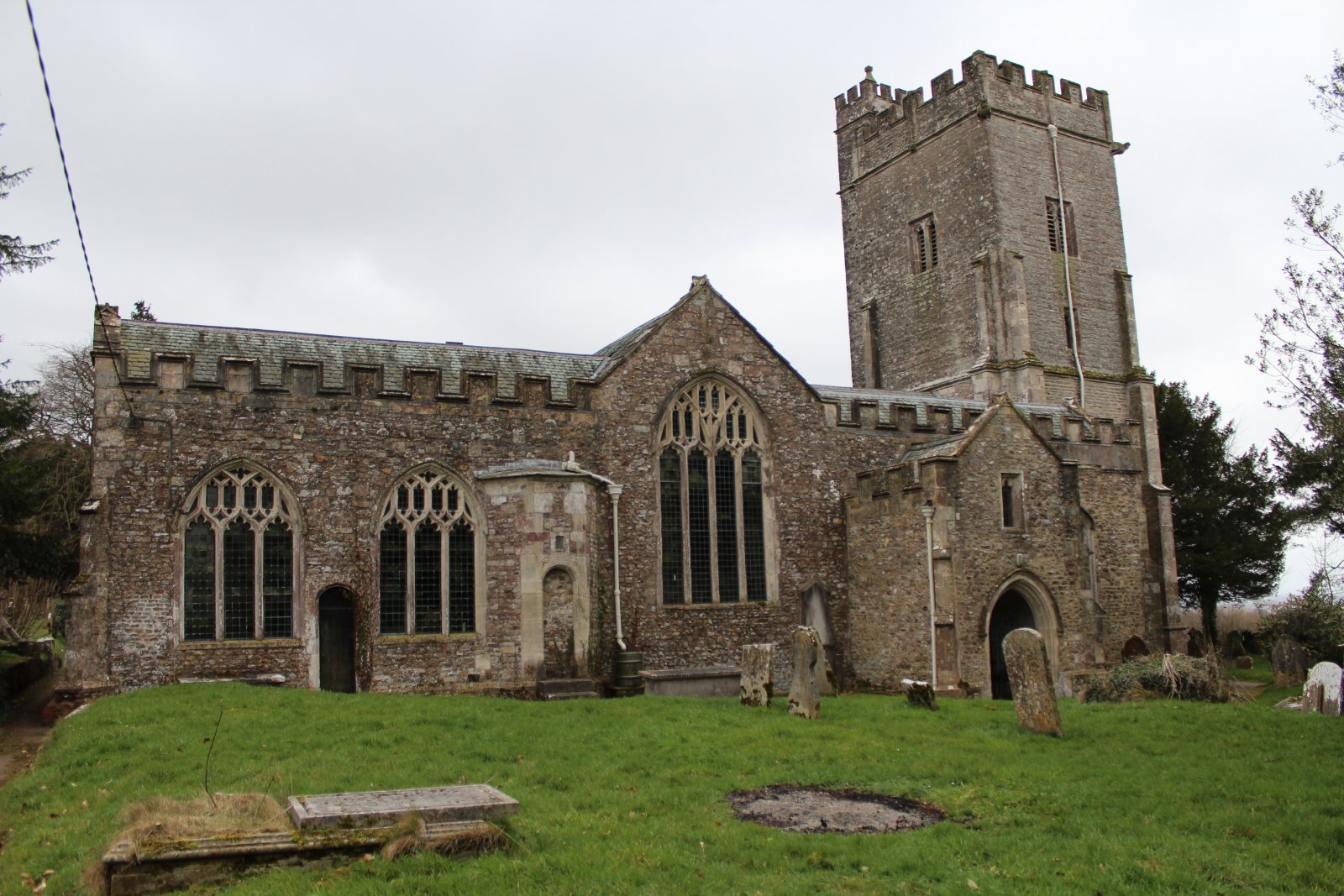
Photo: Church of England. Click the large photograph to see it full size.
~550 years old
St Michael's Church, Honiton
Church Hill, Honiton, East Devon, England
The old parish church of Honiton, paid for about 1480 by Peter Courtenay, Bishop of Exeter, and enlarged by a merchant and his wife. A fire in 1911 left the walls and tower, and the inside was rebuilt in a year. It has been on the Heritage at Risk register, in poor condition, with no agreed future.
Our verdict
One hundred thousand pounds for a bishop’s church of 1480 with a physician to Elizabeth I buried in it. It burned in 1911 and was back in use in a year. Nobody has managed that kind of speed since 2012.
The Church wants a community use and the Earl of Devon has backed one. If you have the money and no wish to live in it, buy it with a local trust and give Honiton its church back.
What is wrong with it
- On the Heritage at Risk register in poor condition.
- Valley gutters block and the roof leaks.
- Ironwork is rusting inside the arcade capitals, which splits stone.
- No working electricity or heating when the diocese last reported.
- The vendor can take the glass, the font, the pulpit and the memorials.
- You buy a path round the walls and no parking. The last stretch is on foot.
- A tender closed in July 2025 without a sale. Ask why.
The story
- Before 1480A chapel of St Michael stood on the hill. Norman stonework, including a corbel, turned up in the south chapel during the rebuilding of 1912.
- About 1480Peter Courtenay, Bishop of Exeter, paid for a new church. The Courtenays were Earls of Devon.
- Early 16th centuryJohn Takell, a merchant, and his wife Joan paid to rebuild the chancel and add the aisles and the north porch. Joan died in 1529 and is buried in the north chapel.
- 1617Thomas Marwood, physician to Elizabeth I, was buried under a black marble tomb.
- 1770Date stamped into the lead of the tower roof, which also carries 19th-century outlines of shoes scratched by visitors.
- 1835 to 1838St Paul's was built in the High Street and became the parish church. St Michael's became a chapel of ease.
- 1896E H Harbottle restored the church and took out the galleries.
- 1911A fire gutted the interior and left little more than the walls and tower. A window of 1827 at the west end survived.
- 1912C E Ponting rebuilt it and it was rededicated within the year.
- 1935Frederick Courtenay, who had been rector and mayor of Honiton, succeeded as Earl of Devon.
- 1926Herbert Read made the parclose screens.
- 2012The Diocese of Exeter first said the church was no longer viable.
- 2019Closed for public worship and passed to the Diocesan Board of Finance. A public meeting in May discussed youth work and school use. The Earl of Devon backed a community use.
- July 2025Offered by informal tender at £100,000 through Stags, with community use preferred.
- 2026Still listed by the Church Commissioners.
Sources: Historic England, list entry 1306112; Historic England, Heritage at Risk entry; Church Times, 7 June 2019; Stags sale particulars; Church of England listing
What it needs, and what it might cost
- Safe and dry
- £10,000 to £30,000
- Everything on the list
- £277,000 to £520,000
- Each year after that
- £5,000 to £10,000
Two figures here come from the record: the leaks and corrosion are Historic England's, and the £100,000 for power and heating is the diocese's from 2019. The rest is our estimate.
What the photographs show
- The walls are dark chert rubble with pale Beer stone at the windows, buttresses and battlements. The battlements are complete on the tower and aisles.
- Moss and plants grow along the parapets and at the foot of the walls.
- Inside, the nave floor is clear. The pews have gone from it and loose chairs stand at the sides.
- The arcades are white limestone with clustered piers and carved capitals. They look clean and whole from the floor.
- The wagon roofs of 1912 are dark timber with no visible gaps or stains.
- Screens, choir stalls, pulpit and the east window glass are still in place in the photographs.
- The floor is boarded in the nave and tiled in black and white towards the chancel.
The work, line by line
| Now: safe and dry | Rough cost | Based on |
|---|---|---|
| Survey and report by a conservation-accredited architect and a structural engineer | £5,000 to £10,000 | Our assumption |
| Clear and repair the valley gutters and stop the leaks | £5,000 to £20,000 | From a public record |
| Next: fabric and glass | Rough cost | Based on |
|---|---|---|
| Open up the arcade capitals, treat or replace the rusting iron and repair the stone | £30,000 to £90,000 | From a public record |
| Reinstate the electricity supply and install heating. The diocese's own figure in 2019 was about £100,000. | £100,000 to £150,000 | From a public record |
| A WC and a small kitchen, placed where the council and Historic England accept | £25,000 to £60,000 | Our assumption |
| Later: interior and services | Rough cost | Based on |
|---|---|---|
| Relay the slate roofs, about 450 square metres, as they fail | £112,000 to £190,000 | Our assumption |
Yearly upkeep, £5,000 to £10,000. Insurance, heating and lighting, valley gutters cleared twice a year and a yearly roof and tower inspection.
Grants. Grade II* and at risk is the profile that Historic England and the National Lottery Heritage Fund pay for. A community body will do better than a private buyer.
Condition, as the listing describes it
| General | "In need of some refurbishment." No structural survey has been carried out. | From the listing |
| Leaks | Water leaks caused by blocked valley gutters. | Checked by us |
| Stone | Metal is corroding inside the heads of the arcade capitals. | Checked by us |
| Services | Mains water, electricity and drainage are thought to be connected. In 2019 the diocese put the cost of reinstating the electricity and installing heating at about £100,000. | Checked by us |
These are our rough estimates and not quotes. Nobody from this site has been inside the building. We measured from the listing, looked at its photographs, applied published British rates for 2025 and 2026, and raised them for scaffolding, height and heritage rules. Figures are for works only, before architect's fees of 10 to 15% and VAT. Rot, structural movement and asbestos do not show in a photograph. How we estimate.
The seller
Church Commissioners for England, with the diocese. To the Church of England. The sale runs under the Mission and Pastoral Measure 2011. The proceeds are shared between the diocese and the Church Commissioners, and part of the Commissioners' share funds the Churches Conservation Trust.
What you may do with it
Light use. The sellers say community use is preferred and they will write the approved use into the deeds. Grade II* and 340 square metres in one room with good arcades: a hall for the town. The Earl of Devon, whose great-grandfather was rector here, has backed that publicly.
Sacred status
| Worship | Closed for regular worship. The sale needs a pastoral scheme from the Church Commissioners, which goes to public consultation and lifts the legal effects of consecration. | From the listing |
| Closed | The diocese handed it to its Board of Finance in early 2019. The listing record gives 2023 for closure to regular worship. | Checked by us |
Heritage status
| Listing | Grade II*, record 1306112. | Checked by us |
| At risk | On the Heritage at Risk register. Condition poor. Priority C: slow decay, no solution agreed. | Checked by us |
| Consent | Listed building consent is needed for any change that affects the character of the building, inside or outside. You apply to the council. Historic England is consulted for Grade I and II* buildings. | Checked by us |
| Landscape | Inside the East Devon National Landscape. | From the listing |
| Use | Use class F1. Community use preferred. Offers must come with sketch plans and a written description of the use. | From the listing |
What comes with it
| Floor area | Over 340 square metres: nave, aisles, transepts, chancel, two chapels, west tower and a two-storey north porch. | From the listing |
| Land | A strip of path round the building. The site is 0.18 acres. | From the listing |
| Contents | The vendor may remove the stained glass, pews, pulpit, stone font, wall memorials and other contents before completion. | From the listing |
| Monuments | The black marble tomb of Thomas Marwood, physician to Elizabeth I, who died in 1617. A memorial to Captain George Blagdon Westcott, killed commanding HMS Majestic at the Battle of the Nile in 1798. | Checked by us |
The dead
| Churchyard | The church stands in a churchyard of graves. Only the perimeter path is sold. | From the listing |
| Inside | Floor slabs to Joan Takell, died 1529, and John Blagdon, died 1694. | Checked by us |
Getting there
| On foot | From the town centre go south along New Street, past the station and up Church Hill. Access to the church is on foot at the top. | From the listing |
| Train | Honiton station is on the way up. | From the listing |
How the sale works
| Covenants | The Commissioners write covenants into the sale that limit the building to the use they approved. Expect several months between an accepted offer and completion. | From the listing |
People to call
- Selling agent: Stags
- Seller: Church Commissioners for England, Closed Churches team
- Listed building consent: East Devon District Council
- Heritage adviser: Historic England
"From the listing" means the seller's agent says so. "Checked by us" means we confirmed it against a public record, linked where possible. "Unknown" is a question to put to the agent before you visit.